

On July 1, 2023, Google will replace Google Universal Analytics with Google Analytics 4. As part of this Analytics relaunch, Google is following a multi-stage plan that also has major consequences for the attribution options in Google Analytics and Google Ads. Four rule-based attribution models will be switched off in September 2023.
Google Analytics 4 is not an update but an entirely new tool. As part of this complete relaunch, Google has also changed the rule-based attribution options in Analytics and Google Ads. Going forward, the focus is on the “data-driven attribution model”, meaning data-based, automated attribution. The rule-based models first click, linear, time decay and position-based will be discontinued entirely in September 2023. Since June 2023, these attribution models can no longer be selected in Google Ads.
From September 2023, anything that still uses these models will be switched to data-driven attribution. Besides data-driven attribution, advertisers will then only have the option to switch manually to “Last Click”. When the change takes effect, the rule-based models listed above will also be removed from all other reports in Google Ads, including the overview page and the comparison report.
What’s behind the change
Rule-based attribution models assign a value to each ad touchpoint based on predefined rules. According to Google, these models don’t offer “the flexibility needed to adapt to the evolving customer journey”. That’s why data-driven attribution is now the default attribution model in Google Ads and Google Analytics 4.
According to Google, fewer than 3% of Google Ads conversions were recently attributed using these models. From Google’s point of view, retiring the less-used attribution models is a way to consolidate and simplify measurement. External attribution and the “Last Click” model are not affected by the changes for now and will remain available.
Drawbacks for advertisers
For advertisers, Google’s changes to its attribution models also have downsides. With most rule-based attribution gone, advertisers have less data on which to base decisions and optimizations. Data-driven attribution can be used for optimization and, combined with data from rule-based attribution, can deliver useful insights. Losing these attribution models also makes it harder to measure the performance of other paid media channels or to justify using them within the company. As a result, more marketing budget could flow into Google Ads while other online marketing channels are used less.
Reliable, meaningful tracking with easy Marketing
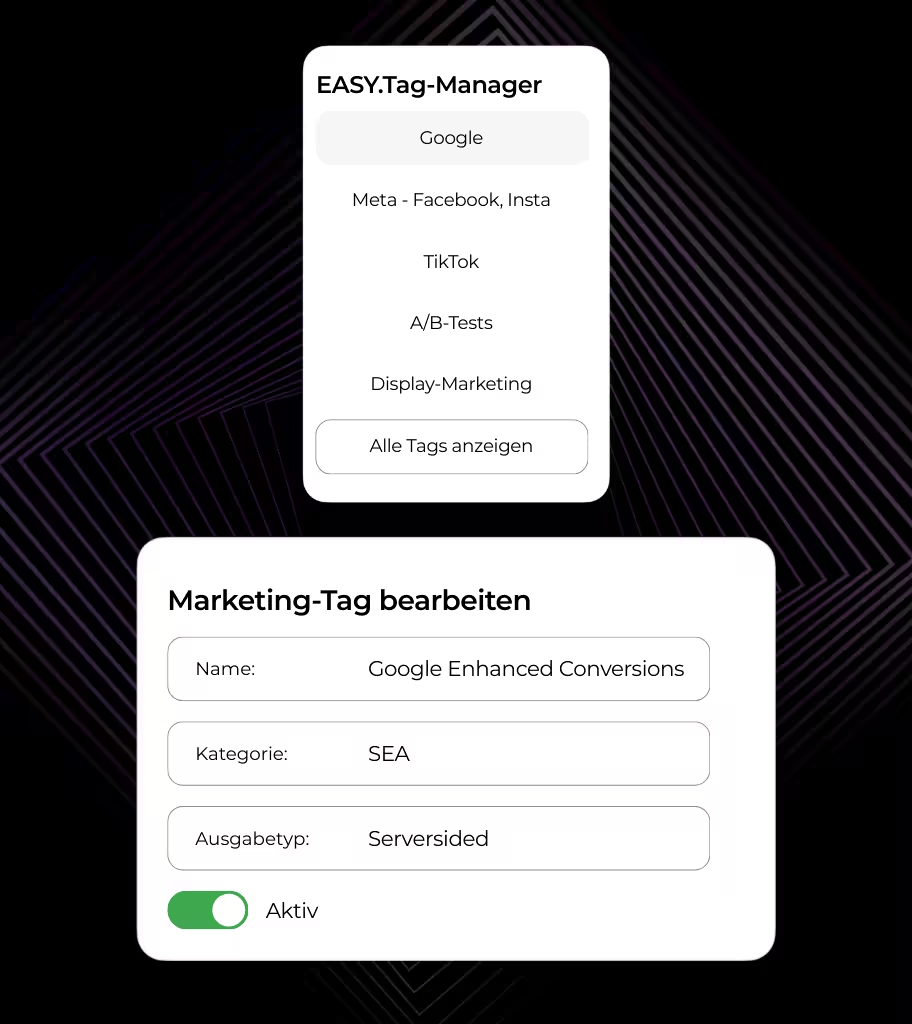
Meaningful reporting and sound decisions depend on a solid data foundation. With the easy.MARKETING marketing cloud, you can bring all your data together in one central place, in compliance with data protection rules. This can include clicks, sales and transactions from different channels with a wide range of attribution rules. The cloud solution bundles incoming and outgoing traffic in one place. And that’s not all: with easy.MARKETING, you can import external KPIs not only from GoogleAds but also from many other interfaces such as Facebook, TikTok, Twitter and more. This lets you compare costs and revenue at the push of a button, measure performance for every channel and identify top and low performers. Our team of experts will be happy to advise you. Book an appointment now.