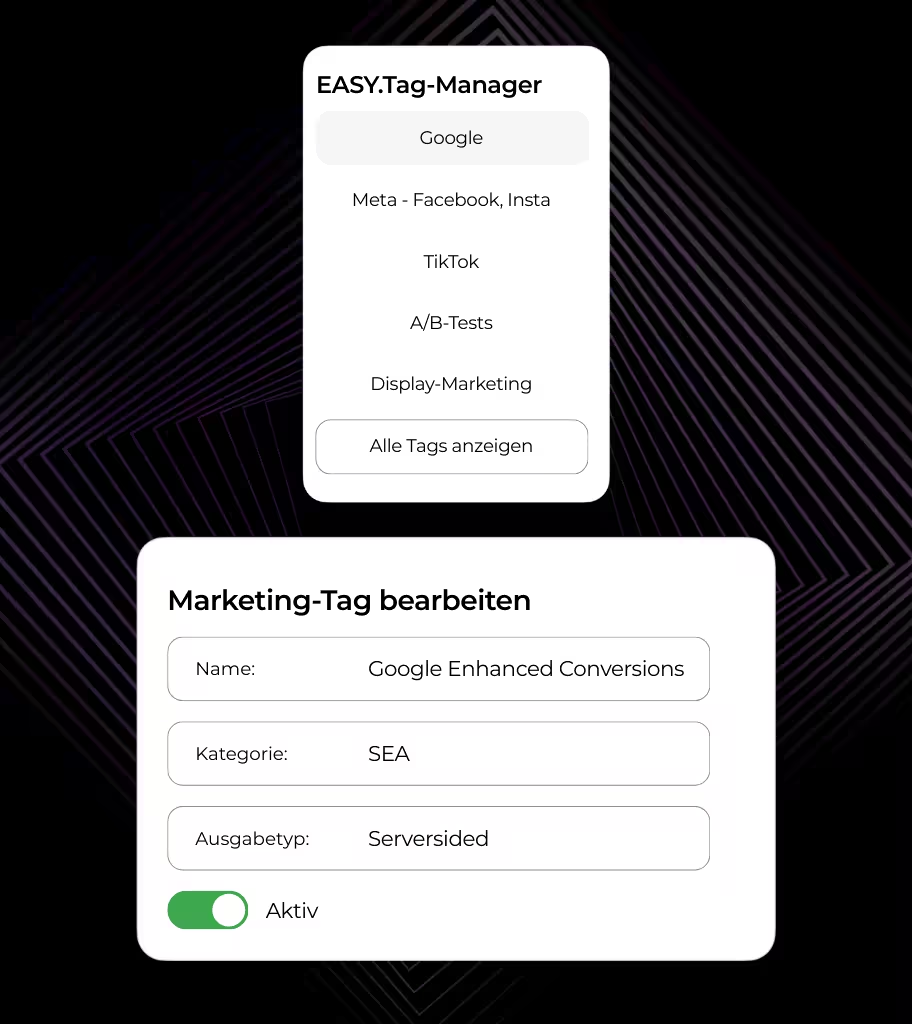


Google has given up on the complexity of the transition, and third-party cookies are here to stay. For advertisers, this is a signal with far-reaching implications, but no reason to sit back and relax. Here is what it means for companies and how they should position themselves strategically now.
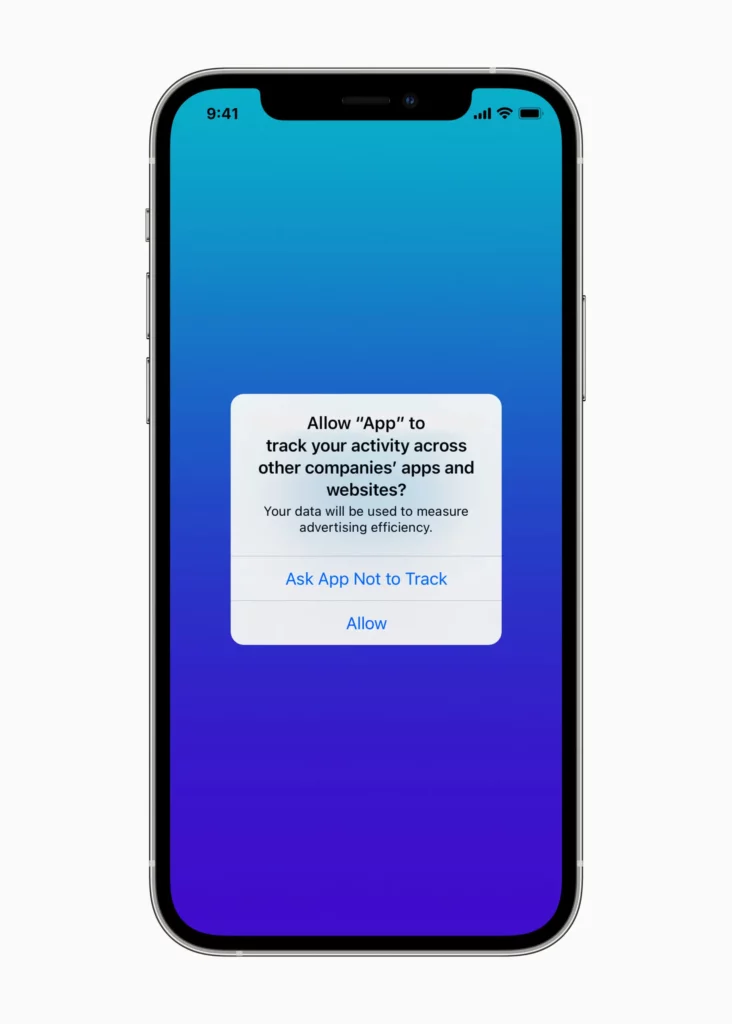
so-called "Users Choice" (graphic: Apple)
The cookie debate is like a zombie: it never quite dies. For years, Google's plans to phase out third-party cookies in the Chrome browser have made headlines – and caused confusion. More than once recently, the end of third-party cookies seemed clearly and definitively sealed. With its planned "User's Choice" feature, Google wanted to let users decide whether to allow third-party cookies. In practice, this would have amounted to an almost complete block – because, as we know from Apple's app tracking process, most users click "reject".
Now comes the U-turn: Google is halting the rollout of the new cookie policy and postponing it indefinitely. Chrome will have neither an automatic block nor mandatory consent prompts.
What are third-party cookies?
In digital advertising, third-party cookies are a key tool for targeting audiences. They enable cross-channel tracking, attribution models and personalized retargeting campaigns. Technically, they are small text files stored on a user's device by a third party – not by the website the user is currently visiting, but by an external domain such as an ad server or an analytics tool.
The big plan was the Privacy Sandbox
With the Privacy Sandbox, Google wanted to set a new, privacy-friendly standard. The goal was to replace individual user profiles with data-minimizing APIs such as "Topics" or "Protected Audience" – interest-based rather than personal targeting, and an open ecosystem with privacy by design. The drivers behind this were growing regulatory pressure (GDPR, ePrivacy, the California Consumer Privacy Act), data protection scandals and rising user distrust.
The Sandbox would also have been a strategic instrument. It would have secured Google's dominant market position by creating an advertising world in which Google itself could have controlled access to user data.
Timeline of the cookie saga
- 2020: Google announces the end of third-party cookies in Chrome
- 2021: Privacy Sandbox testing begins
- 2022–2023: Pilot projects and feedback rounds
- 2024: The deadline is extended to the end of 2025
- April 2025: Google halts the rollout – blocking is off the table for now
Why Google is now backtracking
According to Google, the ad tech industry is not ready for such a hard cut. Technical hurdles, a lack of market readiness and critical feedback from major publishers led to a reassessment. Smaller providers in particular would face disproportionate challenges. The new focus is on an inclusive and sustainable transition rather than a radical break. While many marketers are breathing a sigh of relief, privacy advocates see it as a step backwards. The balancing act between user rights and advertising efficiency remains.
Google Chrome sets the pace
With more than 60 % of pageviews worldwide, Chrome is the browser that sets the tone. What Google decides becomes the industry standard – or doesn't. That is why the decision not to implement a general cookie block for now sends a strong signal. Dropping browser-level mandatory consent in Chrome also has consequences for marketers: responsibility for consent remains with website operators, tools and agencies. If you want to work in a GDPR-compliant way, you have to take care of obtaining consent yourself.
Opportunities and challenges for advertisers
For many advertisers, the U-turn is a welcome reprieve. Existing tracking setups will keep working for now. But if you don't act now, you are only postponing the problem. The Privacy Sandbox continues to evolve, regulatory pressure is increasing and user data remains a sensitive issue. Technically, third-party cookies live on, but socially and legally their days are numbered. If you want to build sustainable strategies, you should make the switch early. Alternatives are already available on the market. At easy Marketing, we have relied on first-party tracking for many years. When implemented correctly, it is unproblematic from a data protection perspective and at the same time delivers the highest-quality data at the highest possible tracking rate.
Recommendations: what marketers should do now
1. Prioritize first-party tracking
2. Optimize consent processes
3. Implement server-side tracking
4. Keep a close eye on the Privacy Sandbox